
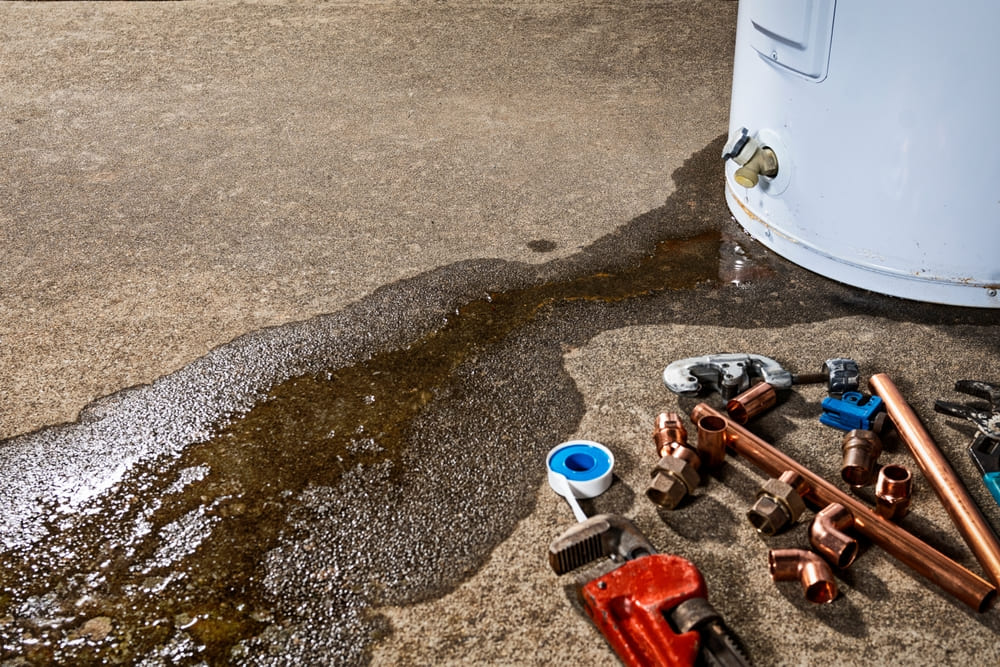
If you own your home, you probably know that most water heaters last for 15 years, and some wear out in as little as 7. Unless a water heater is relatively new, it’s common to find signs of wear on it, indicating that it needs repair or a total replacement.
For a typical American household, the second largest source of energy expense is water heating. From that refreshing hot shower to doing laundry, we need running hot water for a wide range of everyday activities.
Considering the expenses incurred on water heating, you probably want your water heater to last for years; decades if possible. Well, who wouldn’t?
So, can you extend the life of the water heater?
The answer is yes. And this article will tell you how to do it.
Average Life of a Water Heater
According to some agencies, the average life of a standard tank-type water heater is 10 years. But that is not absolute. Its exact lifespan can vary based on multiple factors, especially maintenance.
Then again, the life expectancy of a water heater depends on its type. That brings us to the old debate, conventional vs tankless water heaters.
- A conventional tank-type water heater can last for 9 to 12 years or even more with the right maintenance. While they are less energy efficient, they cost less and come in various sizes.
- With tankless heaters, there is no chance of tank damage. When maintained properly, they can last as long as 20 years. On the other hand, they have a more complex structure. Not only does that make them more vulnerable to failure, but yearly maintenance costs are higher too.
Factors That Impact Water Heater Lifespan
The thing is, the water that you use contains dissolved minerals. These minerals precipitate when the water is heated, forming a layer of scale on the inside of the tank. Now, this scale acts as an insulating layer that slows down the process of heat transfer.
The result is reduced heater efficiency and higher energy costs. Plus, they eat away the tank body and the glass lining on it.
Here’s something interesting. Larry Weingarten, a leading expert in water heating, mentions in his book The Philosopher’s Wrench that the lifespan of a tank-type water heater can be increased to fifty years.
That sounds unbelievable!
The good news is, that you don’t need to do anything special for that – just a few simple steps will work.
Correct Installation
Water heater installation should be done professionally, keeping in mind the local plumbing codes. Tankless heaters need even more care as they have more vulnerable components.
The ideal spot for installing a heater should be well-ventilated and dry. The area should be easily accessible and there should be sufficient clearance around the heater for maintenance. Moreover, the mounting needs to be done properly. You don’t want the heater to get dislodged when filled to capacity.
Usage
Generally, a water heater that works more frequently will have a shorter life span. The greater the volume of water that passes through it, the more the corrosive effect of the water. That makes it important to pick a heater of the right capacity for your home. Choose a smaller size and it will have to work twice as hard, leading to quicker damage.
The Anode Rod Lifespan
The anode rod is an essential component of all tank-type water heaters. Think of it as a sacrificial lamb. Made of magnesium or aluminum, this rod attracts scale-forming minerals to save the tank.
In time, the rod will wear down from the effect of the minerals. Keep it that way and the tank will start wearing out.
It is necessary to change the anode rod periodically to keep the tank from wearing out. With hard water, the rate of mineral deposition is higher. So, the water quality in your area will affect the frequency of the change.
Draining the Tank
In time, sediment will start settling down at the bottom of the tank. While some of it comes from the water, a large chunk is formed in the tank itself. That makes it necessary to drain out the tank yearly to clear the sediment.
Signs it Might be Time to Replace Your Water Heater
Here are some signs that will tell you that your water heater needs replacement.
Rusting
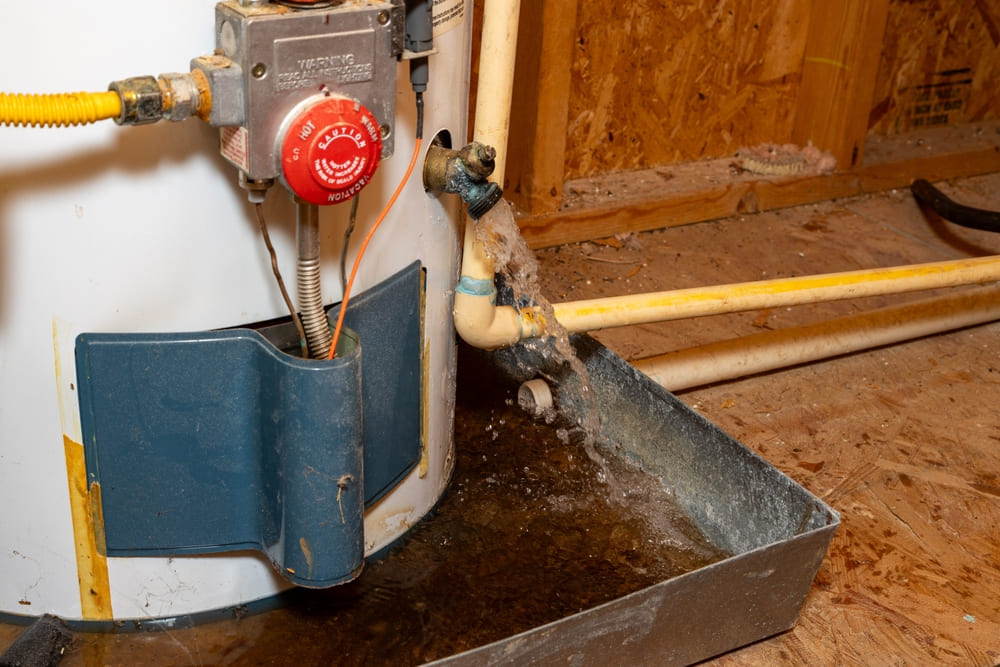
Rusting on the body of the heater or brownish water coming out from the heater is a sign of corrosion of the steel tank. In addition, there can be an odd smell in the water too – an effect of bacterial growth. This requires an inspection of the heater as well as the water pipes.
Rumbling or Gurgling Sound
A major reason for rumbling inside the water heater, or any other unusual noise, is sediment building up at the bottom. The hot water gets into these layers of sediments, creating noise. This means the efficiency of the heater has come down. In addition, this can lead to higher water pressure in the tank, causing tank rupture.
Decreased Performance
You may find the water temperature from the heater is lower than it used to be or irregularities in the temperature. Now, these can be due to a broken heating element or an issue with the thermostat – issues that do not require a heater replacement.
However, if the heater is relatively new and still not performing right, it may be a sign of a more complex problem.
Leaks
You may find water leaking on the floor around the heater, especially when the heating process is in progress. Water leakage can be a sign of damage to the heater body and that will need a replacement. Alternatively, there can be loosening of the fitting connecting the unit. This requires an inspection by the plumber.
Are Gas Water Heaters Better Than Electric Water Heaters?
As with everything else, there are pros and cons to both these types of water heaters. While both these heaters are easy to install, electric water heaters are a better option in terms of efficiency.
Also, they are more environmentally-friendly than gas heaters. Emissions, especially that of carbon monoxide, are higher with gas water heaters.
In general, electric water heaters last longer. But with the right level of maintenance, the life expectancy of gas water heaters can be extended too. In the end, the choice depends on your usage and preference.
Frequently Asked Questions
How do you extend the life of your water heater?
The best way to extend the life of your water heater is by performing a proper yearly maintenance.
Can a hot water heater last 20 years?
That depends on multiple factors. But yes, a top-grade heater with the right maintenance can last for 20 years.
Can a water heater go bad after 5 years?
A water heater can go bad after 5 years if it is cheap or a professional installation was not done. Lack of maintenance can be another reason for the heater breaking down.
Final Thoughts
Increasing your water heater’s life expectancy is not so difficult. In short, proper maintenance is the key to adding years to the average life of a water heater.
Since this is a device that requires a combined knowledge of plumbing and electrical, taking the support of a water heater repair professional is a good idea. No matter the type of water heater you use, our experienced team is ready to solve all types of water heater problems.
Learn more about our water heater installation and repair services here.