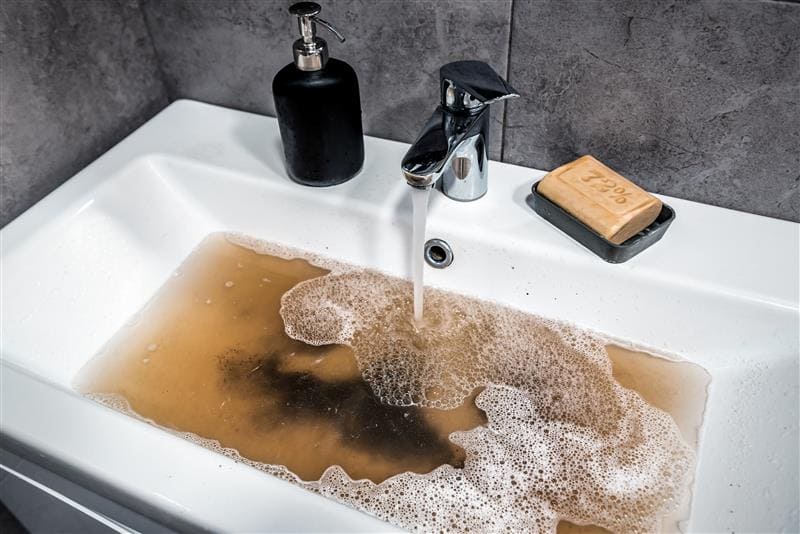
That gurgling sound from your bathroom drain isn’t just annoying — it’s telling you something’s wrong. A clogged bathroom drain can turn your morning routine into a frustrating ordeal, leaving you standing in ankle-deep water during your shower or dealing with a sink that won’t drain.
Living in the Long Beach area, where beach sand and salt air can add extra strain to your plumbing system, it’s essential to understand what causes these clogs and how to prevent them.
5 Common Causes of Clogged Bathroom Drains
These are some of the most common causes of clogged bathroom drains:
1. Hair and Soap Scum Build-up
You’ve seen it before — that hair clog in the shower drain that’s mixed with soap and creates a stubborn blockage. When hair in the drain combines with soap scum, it forms a sticky mess that catches more debris, leading to slow drains and eventually complete blockages.
This is especially common in areas where higher humidity levels can make soap scum even more stubborn. Using a drain strainer can catch hair before it becomes a bigger problem, and regular maintenance can prevent these build-ups from becoming severe.
2. Personal Care Products
Those cotton swabs, dental floss, and other bathroom items might seem small enough to go down the drain, but they can’t break down like toilet paper. These items collect in your pipes and create nasty blockages that are tough to remove without professional help.
Common culprits include makeup wipes, feminine hygiene products, cotton balls, paper towels, and even those “flushable” wipes — which aren’t flushable at all. These products can tangle together, creating massive clogs that grow larger over time as they catch additional debris flowing through your pipes.
In our coastal community, where many homes have older plumbing systems, these items can cause even more significant issues as they get caught on corroded pipe surfaces and create stubborn blockages that often require professional intervention.
3. Mineral Build-up
Long Beach’s water system, while well-maintained, can still contain minerals that accumulate in your pipes over time. These mineral deposits gradually narrow the pipe’s diameter, making it easier for other materials to get stuck and cause a complete blockage.
The combination of mineral build-up and salt air exposure can accelerate pipe deterioration if not addressed promptly.
4. Tree Root Infiltration
One of the most severe issues you might face is tree roots in drain pipe systems, particularly common in established neighborhoods with mature landscaping. As trees grow, their roots naturally seek out water sources — including your plumbing.
They can crack or completely break pipes, leading to major clogs and expensive repairs. The city’s sandy soil actually makes it easier for roots to spread and find their way into tiny pipe cracks.
5. Excessive Toilet Paper
Does toilet paper clog toilets? While it’s designed to break down, using too much at once can cause problems. Can too much toilet paper clog a sewer line? Absolutely — and when it does, it can affect multiple drains in your home.
In Long Beach’s older neighborhoods, where many sewer lines date back several decades, this issue becomes even more problematic as pipes may have developed sags or damage over time. If you experience frequent plumbing issues, our rooter plumbing services can help take care of problems like clogs that have built up over time.

Frequently Asked Questions
Why should you never use baking soda and vinegar to unclog a drain?
While this DIY solution is popular online, it’s not as effective as you might think. The fizzing action you see creates a lot of movement, but it doesn’t generate enough force to break up tough clogs. Plus, the reaction happens too far from the clog to be effective, and repeated use can damage your pipes. Especially since it can also crystalize and clog the drain completely.
In Long Beach’s older homes, where pipes might already be weak due to age and coastal conditions, these harsh DIY solutions can accelerate pipe deterioration.
How to find out where a drain is clogged?
Pay attention to which fixtures are affected — if multiple drains are slow, the clog is likely in your main line. If it’s just one fixture, the clog is probably closer to that drain.
Professional plumbers use specialized cameras to pinpoint exact clog locations. This is particularly useful where pipe layouts can be complex due to multiple renovations over the years.
Why does my drain clog so often?
Recurring clogs often signal deeper issues. Old pipes might have rough surfaces that catch debris easily, or your pipes might have improper slope.
The sandy soil conditions in Long Beach can cause subtle ground shifts over time, affecting pipe alignment. Sometimes, ongoing clog issues stem from how you’re using your drains — like rinsing coffee grounds down the sink or flushing non-flushable items.
Why is my drain worse after using Drano?
Chemical drain cleaners like Drano can actually make things worse. They might create a small hole in the clog, but they don’t remove it completely. These harsh chemicals can also damage your pipes, leading to leaks and more serious problems down the line.
In our coastal environment, where pipes may already be dealing with salt air corrosion, chemical cleaners can accelerate damage significantly.
Final Thoughts
When you’re dealing with a stubborn clogged bathroom drain in your Long Beach home, it’s tempting to reach for a quick fix. But DIY solutions and chemical cleaners often provide temporary relief at best — and at worst, they can cause serious damage to your plumbing system, particularly in older homes near the coast.
Don’t wait until a minor clog becomes a major headache. Professional plumbers familiar with Long Beach’s unique plumbing challenges have the tools and expertise to not just clear the clog but also identify and fix underlying problems.
With our coastal environment and unique plumbing challenges, regular professional maintenance is your best defense against serious drain problems.