
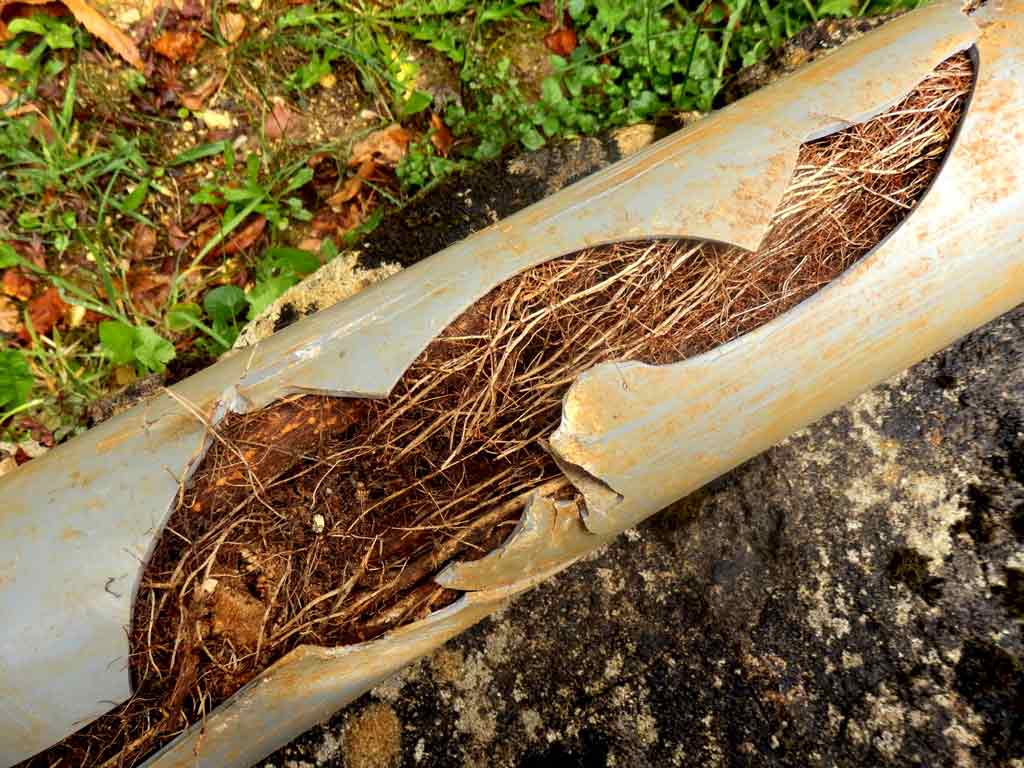
If you’ve ever wondered if those beautiful palm trees in your yard could be causing problems underground, you’re not alone.
Many homeowners worry about the potential damage tree roots can cause to their plumbing systems. So, can palm tree roots damage pipes? Let’s take a closer look at tree roots and plumbing problems.
Understanding Tree Roots and Plumbing Problems
Unfortunately, palm tree roots can cause damage to your pipes, but it’s not as common as you might think.
Palm trees, like all plants, are always looking for water and nutrients. Their roots are pretty good at finding these resources. But if there’s a leak in your plumbing system, those roots might just decide to try to get water and nutrients from your pipes.
But palm trees aren’t typically the worst offenders when it comes to pipe damage. Their root systems are typically less aggressive than many other tree species. Palm roots tend to be shallower and less likely to spread far from the tree.
That said, don’t let your guard down yet. While palm trees might not be public enemy number one for your pipes, they can still cause problems under the right – or wrong – conditions.
The real trouble starts when roots find their way into small cracks or joints in your pipes. Once they’re in, they can grow and expand, causing blockages or even breaking the pipe entirely.
Identifying Signs of Palm Tree Root Damage
There are some signs to look out for if you think there are roots in your water line or your palm tree roots are causing damage. Keep an eye out for these signs:
- Slow drains or frequent clogs
- Gurgling sounds from toilets or sinks
- Soggy patches in your yard
- Sudden drops in water pressure
- Foul odors coming from drains
- Sinkholes or indentations in your yard
- Unusually lush or green patches of grass
If you’re noticing any of these symptoms, it might be time to contact the pros for a closer look. Don’t wait until you’re dealing with a full-blown plumbing disaster and need a sewer replacement. Early detection can save you a lot of headaches – and money – down the line.
Factors that Impact Root Behavior
Not all palm trees are created equal when it comes to root behavior. There are several factors that can influence how likely a palm’s roots are to cause pipe problems.
Soil Conditions
The type of soil in your yard plays a big role. Sandy soils allow roots to spread more easily, while clay soils can be more restrictive. Moisture levels matter too. In dry areas, roots will search more aggressively for water sources.
Soil pH can also influence root growth. Most palms prefer slightly acidic to neutral soil. If your soil is too alkaline or too acidic, it might encourage roots to seek out more favorable conditions – potentially leading them towards your pipes.
Species Variability
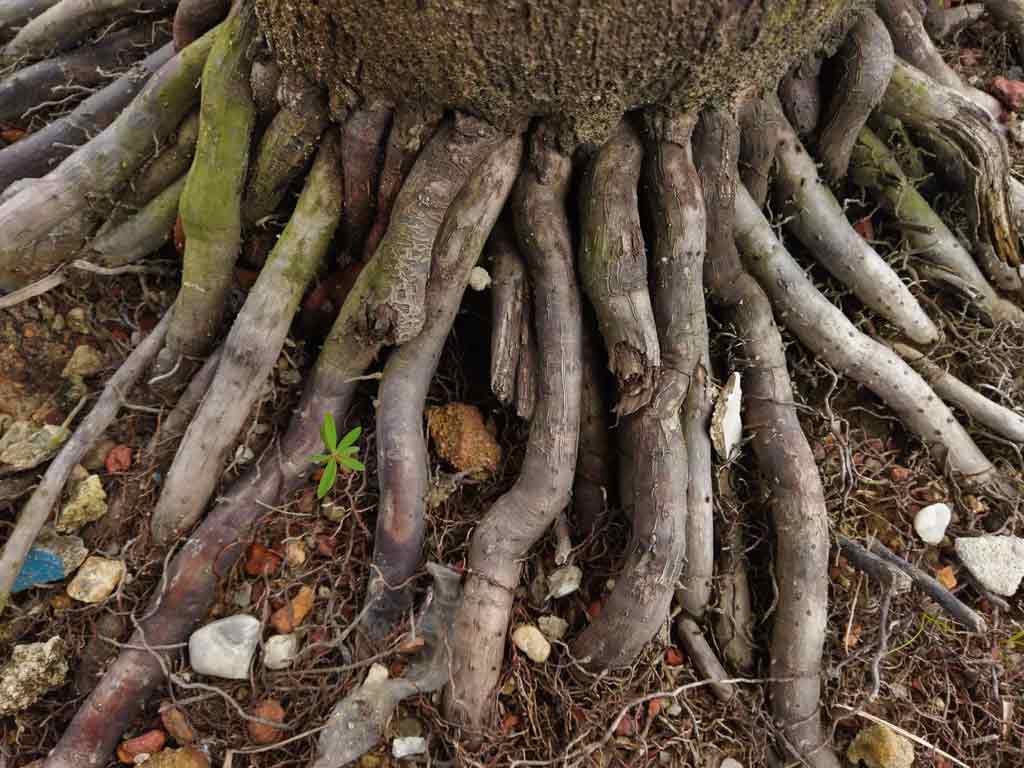
Different palm species have different root structures. Some, like the Sabal palm, have relatively compact root systems. Others, like the Royal palm, can develop more extensive root networks. Know your palms to better assess your risk.
For example, the Coconut palm has a fibrous root system that spreads widely but stays relatively shallow. On the other hand, the Washingtonian palm develops a deeper taproot, which might be more likely to encounter underground pipes.
Tree Age and Health
Older, well-established palms generally have more developed root systems. But here’s a twist: healthy trees are often less likely to cause pipe damage. This is because they’re getting enough water and nutrients from their environment, so they’re less likely to go hunting for leaks.
However, stressed or diseased palms might be more aggressive in their search for resources. If your palm is looking a bit under the weather, it might be worth checking on your pipes too.
How to Get Rid of Roots in Pipes
If you’ve discovered roots in drains or pipes, don’t panic. There are several ways you can tackle this problem:
Trenchless Sewer Repair
Trenchless sewer repair is a modern solution that can save your yard from looking like an archaeological dig site. This method allows plumbers to repair or replace damaged pipes with minimal excavation.
Pipe Lining
Pipe lining is another great trick. It involves creating a new pipe within the existing one, effectively sealing off any entry points for roots. This method can extend the life of your plumbing system and prevent future root intrusions.
Video Sewer Inspection
Before any repair work, a video sewer inspection is crucial. This high-tech approach lets plumbers see exactly what’s going on inside your pipes.
They can pinpoint problem areas and plan the most effective solution. It’s like giving your plumbing system a colonoscopy – not the most pleasant thought, but incredibly useful for diagnosis.
Preventing Tree Roots in Water Line and Sewer
Here are some tips to keep palm tree roots out of your pipes:
Plan Your Landscaping Carefully
Keep palms and other trees away from underground utilities. A good rule of thumb is to plant trees at least 10 feet away from water lines and 30 feet from sewer lines. This way, clearing roots from sewer lines is not something you need to worry about.
Consider Installing Root Barriers
These physical or chemical barriers can help redirect root growth away from sensitive areas. They’re especially useful when you can’t avoid planting trees near pipes.
Maintain Your Plumbing System
Regular inspections and prompt repairs of small leaks can prevent bigger problems down the line. Consider having your sewer lines inspected every few years, especially if you have mature trees on your property.
Water Your Palms Adequately
Well-hydrated trees are less likely to seek out alternative water sources – like your pipes. Consistent, deep watering encourages roots to grow downward rather than outward.
Use Slow Release Fertilizers
This can help satisfy your palm’s nutrient needs, reducing the likelihood of root invasion. You should try to avoid over-fertilizing, which can lead to excessive growth and potentially more root problems.
Consider Pipe Materials
Some modern pipe materials are more resistant to root intrusion than others. If you’re replacing pipes, talk to your plumber about root-resistant options.
Final Thoughts
So, can palm tree roots damage pipes? Yes, but it’s not inevitable. With the right knowledge and precautions, you can enjoy your tropical landscape without constantly worrying about what’s happening underground.
Factors like soil type, palm species, and the condition of your plumbing all play a role.
Call us if you think roots are invading your plumbing to schedule an inspection today.