
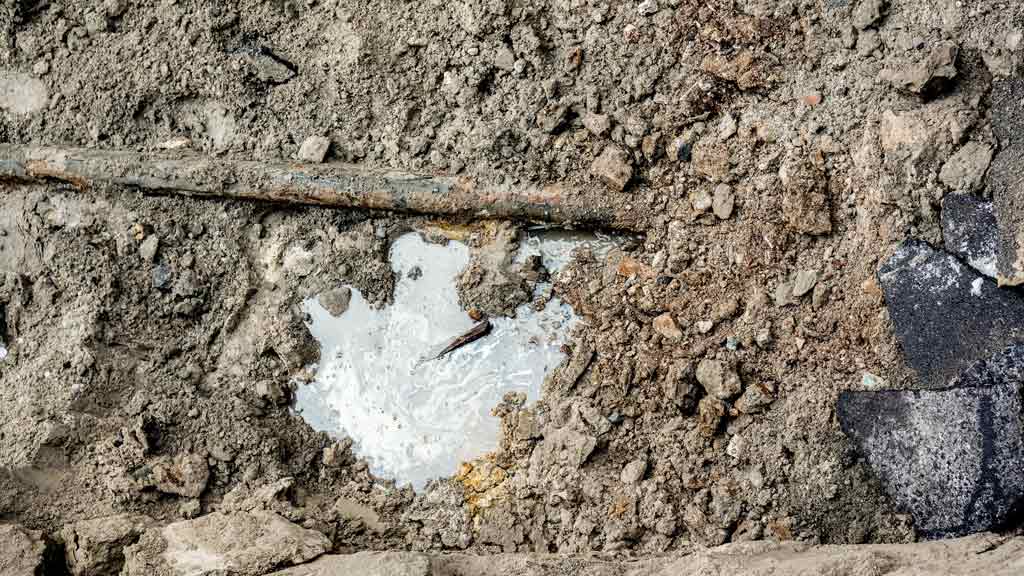
If you’ve ever had that nagging feeling that something is off with your water usage, you could be dealing with an underground water leak. Whether your water pressure has taken a nosedive, or your bill skyrocketed for no reason, these could be signs that something is off.
Let’s look further into underground water leak detection and why catching these sneaky leaks early can save you a ton of headaches.
How Do You Find a Water Leak Underground?
Locating a water leak underground isn’t exactly a walk in the park, but it’s not rocket science either. Here are three ways you can detect underground water leaks:
1. Look for an Increase in Your Water Bill
The first thing you should do is keep an eye on your water bill. If it suddenly shot up without any change in your water usage habits, you might have a leak on your hands. It’s like your water bill is trying to tell you something, and you’ll definitely want to listen.
2. Look for Leaks at the Water Main
Next, follow the water line from your house to the street. Look for any unusually wet spots or areas where the grass looks like it’s growing unusually fast. These could be telltale signs of a leak.
3. Get a Professional Inspection
Sometimes, you need to call the professionals. Professional plumbers are experts at detecting leaks early on. They might use acoustic equipment to listen for the sound of escaping water, or thermal imaging cameras to spot temperature differences that could indicate a leak.
The Importance of Early Detection
While you might not think much will happen if you just leave a small leak alone, ignoring an underground water leak is like ignoring a small crack in your windshield – it’s only going to get worse. If left unchecked, that tiny leak can turn into a full-blown disaster.
This could mean damage to your home’s foundation, sinkholes in your yard, or even contamination of your water supply. Also, don’t forget about the hit to your wallet from the wasted water.
Catching a leak early means you can nip these problems in the bud. While you might need a water line repair, you’ll save money on your water bill, prevent costly property damage, and do your bit for water conservation.

What Causes Underground Water Leaks?
There are a few unusual suspects behind underground water leaks:
Old Pipes
Like everything else, pipes don’t last forever. Over time, they can corrode, rust, or just wear out. Older homes often have pipes made of materials that aren’t as durable as modern options.
For example, galvanized steel pipes, common in homes built before 1960, typically have a lifespan of 20-50 years. If your home’s pushing 60 or older, those pipes might be on borrowed time.
Tree Roots
Those beautiful trees in your yard? Their roots can be on a mission to find water, sometimes right through your pipes. Tree roots are attracted to the water and nutrients in your pipes. They can sense even the tiniest leak and will grow towards it.
As they grow, they can wrap around pipes, crush them, or penetrate small cracks and expand them. Before you know it, you’ve got a full-blown invasion on your hands.
Shifting Soil
The ground beneath us isn’t as stable as we might think. Soil movement can put stress on pipes, leading to cracks or breaks. This is especially true in areas with expansive clay soils that swell when wet and shrink when dry. Even small shifts over time can cause joints to loosen or pipes to bend and eventually break.
Poor Installation
Sometimes, the problem goes back to day one. Improperly installed pipes are more likely to develop leaks down the line.
This could involve using the wrong type of pipe for the job, failing to properly secure pipes, or not allowing for the natural expansion and contraction of pipes due to temperature changes. Even small mistakes during installation can lead to big headaches years down the road.
Frequently Asked Questions About Underground Water Leak Detection
What is the most reliable leak detection method and why?
Professional acoustic leak detection is the most reliable leak detection method. Plumbing professionals use sensitive listening devices to hear the sound of water escaping from pipes, even underground. This method is non-invasive – no digging up your yard – and can pinpoint leaks with impressive accuracy, making it a good way to detect leaks.
That said, the best approach often combines multiple methods. Plumbing professionals might start with acoustic detection and then confirm findings with thermal imaging or tracer gas.
How long can a water leak go undetected?
A water leak can go undetected for months, or even years. Small leaks are especially sneaky. They might not cause noticeable changes in water pressure or visible damage for a long time. By keeping an eye on your water bill and doing regular checks around your property, you can catch most leaks before they become major issues.
Can you detect a water leak under concrete?
Yes, but it’s trickier than finding leaks in open ground. Concrete acts like a barrier, muffling the sounds and hiding visual clues that might give away a leak. This is where the professionals really shine.
They use specialized equipment like ground-penetrating radar or thermal imaging cameras that can “see” through concrete and find a water leak in concrete slab floors. These tools can detect changes in temperature or moisture that indicate a leak, even under a thick slab of concrete.
Final Thoughts
Underground water leaks might be out of sight, but they shouldn’t be out of mind. Early underground water leak detection is your best defense against the damage and costs these sneaky leaks can cause.
Keep an eye on your water bill, stay alert for signs of leaks around your property, and don’t hesitate to call in the pros at Beach Plumbing if you suspect a problem.