
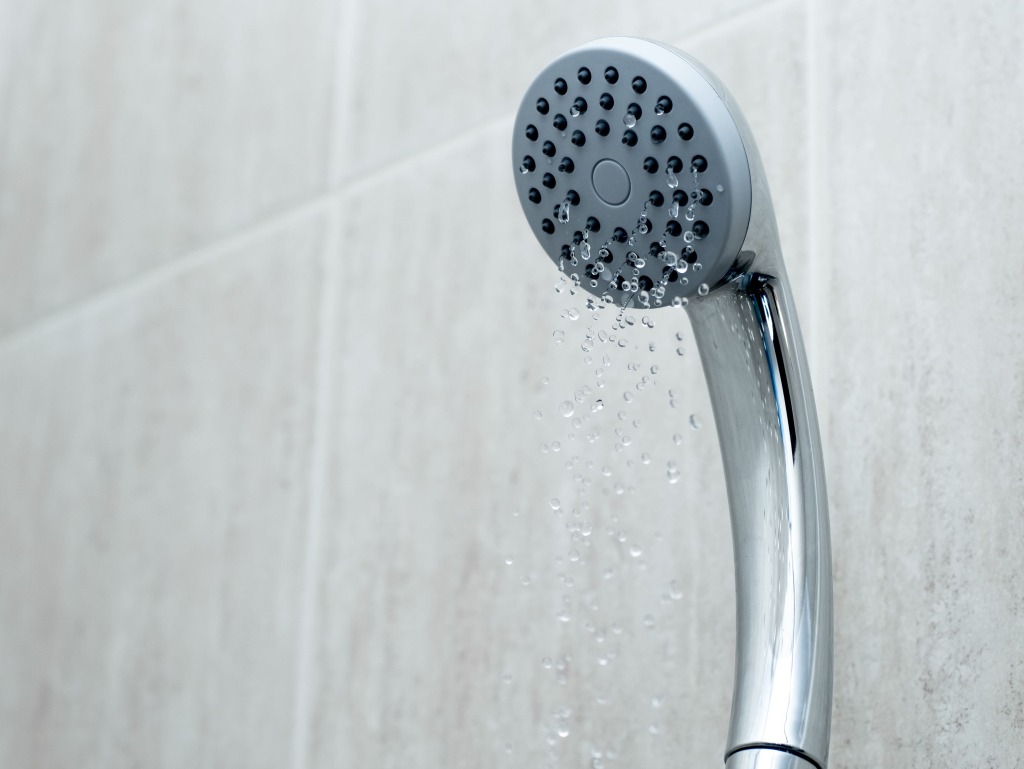
You’ve just stepped into the shower after a long day, only to be met with a disappointing trickle of water which means… low water pressure. It’s a frustrating experience that a lot of homeowners’ face, but you don’t have to live with weak water flow.
Whether you’re dealing with extremely low water pressure or a recent loss of water pressure in your home, here’s a few tips we recommend.
1. Test Your Home’s Water Pressure
Before diving into fixes, you’ll need to know exactly what you’re dealing with. Testing your water pressure is a pretty simple process that you can do yourself. Pick up a water pressure gauge from your local hardware store — they typically cost under $10 and can save you lots of troubleshooting time.
To test your pressure, attach the gauge to an outside faucet, making sure you turn off all other water sources in your house. A reading between 45 and 55 PSI (pounds per square inch) is on the lower side, while 60 PSI indicates good pressure.
Anything below 40 PSI means you’re dealing with what causes low water pressure in the whole house and should investigate further. You’ll want to test at different times of day since pressure can fluctuate based on neighborhood usage patterns.
2. Check for Leaks
Leaks can be sneaky, significantly impacting your home’s water pressure. When pipes crack or develop small holes, they siphon off water before it reaches your faucets and fixtures. You might be surprised to learn that even a tiny leak can cause noticeable pressure drops.
Start by checking your water meter — write down the reading, don’t use any water for two hours, then check again. If the number changed, you’ve got a leak somewhere in your system.
While some leaks are visible under sinks or behind toilets, others might hide in the walls or underground, requiring a professional plumber’s expertise to locate and repair. Pay special attention to any water stains on walls or ceilings, as these often indicate hidden leaks.
3. Check for Clogs
What causes low water pressure often comes down to something as simple as mineral buildup in your pipes and fixtures.
Over time, especially if you have hard water, minerals can accumulate and narrow your pipes’ diameter, restricting water flow. This gradual buildup can affect your entire plumbing system, from main lines to individual fixtures.
Start with the easy fixes, like removing and cleaning your faucet aerators and showerheads. You can soak them overnight in vinegar to dissolve mineral deposits.
For deeper clogs in your pipes, you might need professional help. A plumber can assess whether pipe cleaning or replacement is your best option.
4. Adjust the Main Water Valve
Sometimes how to fix low water pressure in the house is as simple as checking your main water valve. This valve, usually located near your water meter or where the main line enters your home, controls all water flow into your house. It’s not uncommon for this valve to be partially closed after maintenance work or home repairs.
Look for either a gate valve (with a wheel-like handle) or a ball valve (with a lever handle). For gate valves, turn the handle counterclockwise until it stops. If it’s a ball valve, the handle should be parallel to the pipe when fully open.
This simple adjustment might be all you need to restore proper flow. Make sure to turn the valve slowly to avoid sudden pressure changes that could stress your plumbing system.
5. Replace the Regulator
There’s a bell-shaped device typically found where the main water line enters your house. This is your regulator.
When it fails, you’ll notice changes in pressure throughout your home. Most regulators last about 10 years before needing replacement.
Signs of a failing regulator include inconsistent pressure, noises in your pipes, or high pressure at some fixtures and low pressure at others. While replacing a regulator isn’t a DIY job for most homeowners, a licensed plumber can handle this task quickly and effectively.
Frequently Asked Questions
How can I increase water pressure without a pressure pump?
You have several options before investing in a pump. Start by cleaning your fixtures, checking for leaks, and ensuring your main valve is fully open. You might also consider replacing old, corroded pipes that could be restricting flow — though this is a more extensive project.
Why did the water pressure in my house just drop?
Sudden pressure drops often stem from municipal water supply issues, a major leak, or problems with your pressure regulator.
Check if your neighbors are experiencing similar issues — if they are, contact your water provider. If you’re the only one affected, you might have a leak or equipment failure that needs attention.
How to check water pressure without a gauge?
While a gauge gives you the most accurate reading, you can get a rough idea of your pressure by timing how long it takes to fill a 1-gallon bucket from your bathtub faucet.
It should take about 20 seconds — significantly longer times indicate low pressure. You can also check multiple faucets to see if the problem affects your entire house or just specific areas.
Final Thoughts
Low water pressure doesn’t have to be a permanent problem in your home. By following these steps, from simple DIY checks to professional solutions, you can identify and fix most issues with low water pressure in your house.
If you’re not comfortable performing any of these steps yourself, don’t hesitate to call us, as we can diagnose the exact cause of your pressure problems and implement the right solution to get your water flowing properly again.